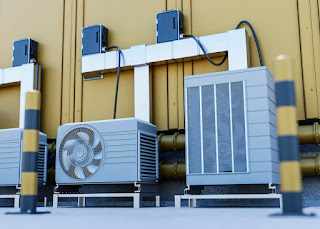
Heating and cooling systems have changed a lot recently. Earlier units worked on fixed speeds and simple controls. Now, systems use variable-speed compressors, smart sensors, and load-based adjustments. One example of this is a ductless air conditioner. By modifying output based on room demand, it lowers energy use and enhances comfort.
These improvements are real. But they also bring a new challenge. The more advanced the system, the more important it becomes to verify how its performance is measured.

Why Modern HVAC Requires Strict Testing Standards
Today’s HVAC systems are tested under controlled conditions to measure efficiency. The tests are conducted using standardized protocols so that the findings can be reliable and consistent. Even minor variations in the test conditions, such as outdoor temperature or humidity, may influence efficiency results.
Owing to this fact, regulators force manufacturers to print out standardized ratings. For cooling, SEER2 is used, while heating performance is measured using HSPF2. These metrics are not optional. They are required for compliance in many markets.
If a system does not provide these ratings, its real performance cannot be properly verified.
Where Data and Compliance Start to Break
Some systems present performance using alternative metrics like EER or COP instead of SEER2 or HSPF2. While these are valid engineering values, they do not meet current regulatory requirements for many product categories.
This creates a serious issue. A product may appear efficient based on one metric but fail to meet legal standards under another. Without the correct ratings, there is no clear proof that the system meets minimum efficiency requirements.
Performance Numbers That Do Not Align
Efficiency values must match actual calculations. The formula for EER is simple. The cooling capacity is calculated as the power input divided by the cooling capacity in watts. For example, a device that uses 1,050 watts and claims to provide 10,000 BTU should have an EER of roughly 9.52.
When the same unit boasts an EER of 9.9, the figure is different. The difference may seem small, but it shows inconsistency in reported data. Such inconsistencies cause issues in time, associated with the HVAC performance rating fraud, wherein the published values are not similar to the calculated ones.

Misclassification Adds Another Layer of Risk
Another issue is incorrect product classification. HVAC systems must be tested under the correct category because each category has different efficiency requirements. For example, packaged systems and split systems follow different standards.
A system may appear compliant when it is not if it is classified incorrectly. Legal issues may arise from this, particularly in areas where efficiency standards are strictly enforced.
Conclusion
The technology of HVAC has enhanced in numerous aspects to provide better efficiency and intelligent functionality. Nevertheless, such developments also require increased test and reporting accuracy. Missing, incorrect, and inconsistent ratings pose a technical and legal risk.
Even minor flaws in calculation can influence the compliance and confidence of buyers. Platforms like innovacopycats.com highlight these problems to raise more awareness and improve the best practices in the industry. Finally, precise data is no less significant than cutting-edge technology.
Blog Source URL :- https://innovacopycats1.blogspot.com/2026/04/the-evolution-of-hvac-technology-and.html



Write a comment ...